Rozafa
A fortress rock above the confluence of three rivers, built over continuously from Illyrian times through the Venetian and Ottoman centuries.
- Entry
- D.3
- Where
- Above the Buna, Shkodër
- Period
- Illyrian, Venetian, Ottoman
- Section
- Towers of the Coast
01The Rock and Its Layers
Shkodër sits at the point where the Buna and the Drin meet just below the lake that carries the city's name, and the castle of Rozafa occupies a steep-sided rock above that junction. The position is structural: whoever holds the hill controls both river traffic and the roads fanning north toward the mountains and west toward the coast. Settlement on the rock is documented from at least the early Iron Age, and by the third century BCE it served as the fortified centre of the Labeatan Illyrians, a people whose realm stretched across what is now northern Albania.
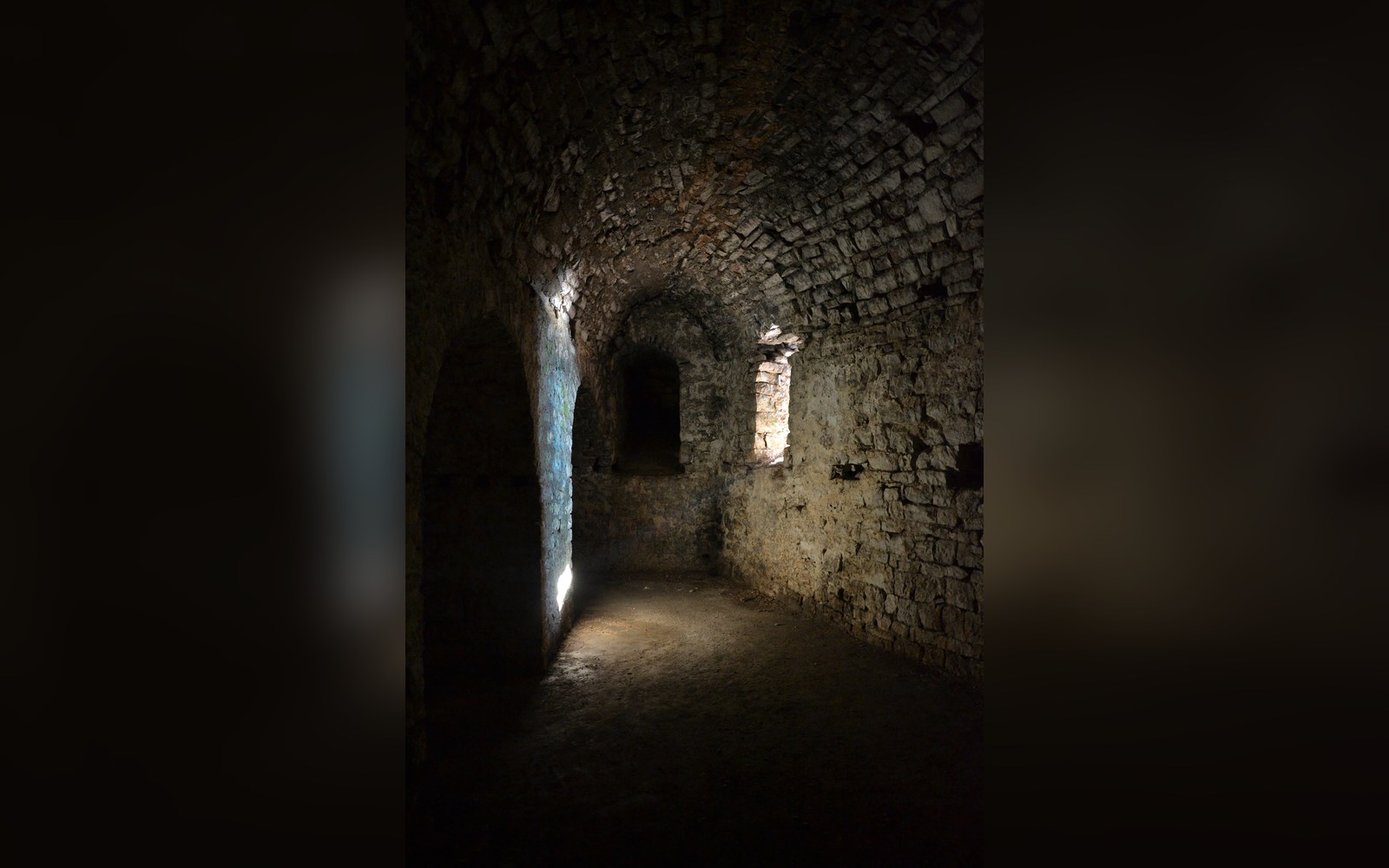
The Venetians took the castle in 1396 and held it, with interruptions, until 1479. Their engineers rebuilt and thickened the walls to carry artillery, added a cistern system cut into the rock, and arranged the interior courts in the layered fashion that Venetian military builders used across the eastern Adriatic wherever the topography gave them a natural height. The rebuilding followed a common Venetian military doctrine, though Rozafa's scale and its river situation made it a different problem entirely.
The story attaches to many Balkan fortresses; at Rozafa it has been particularly tenacious.
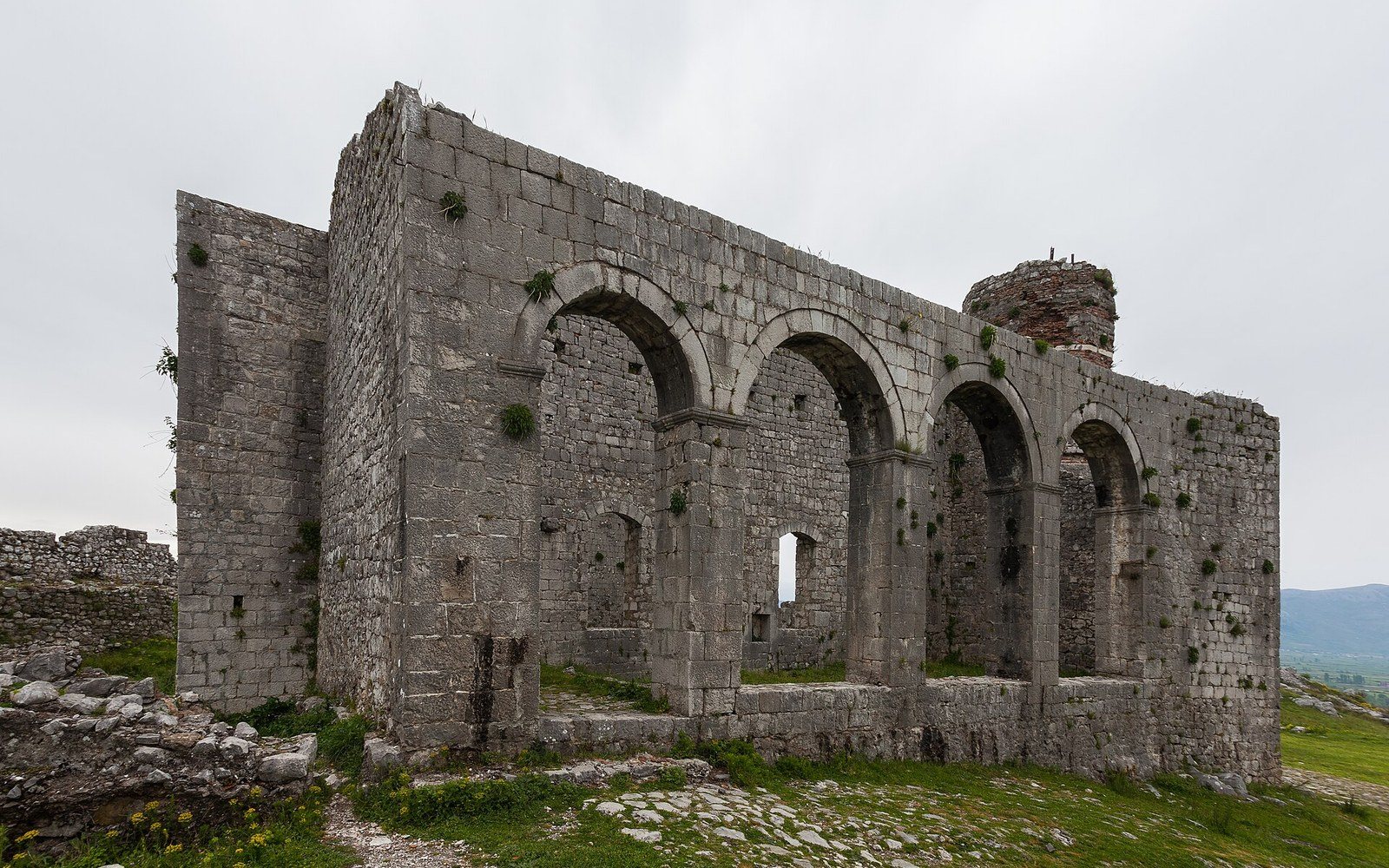
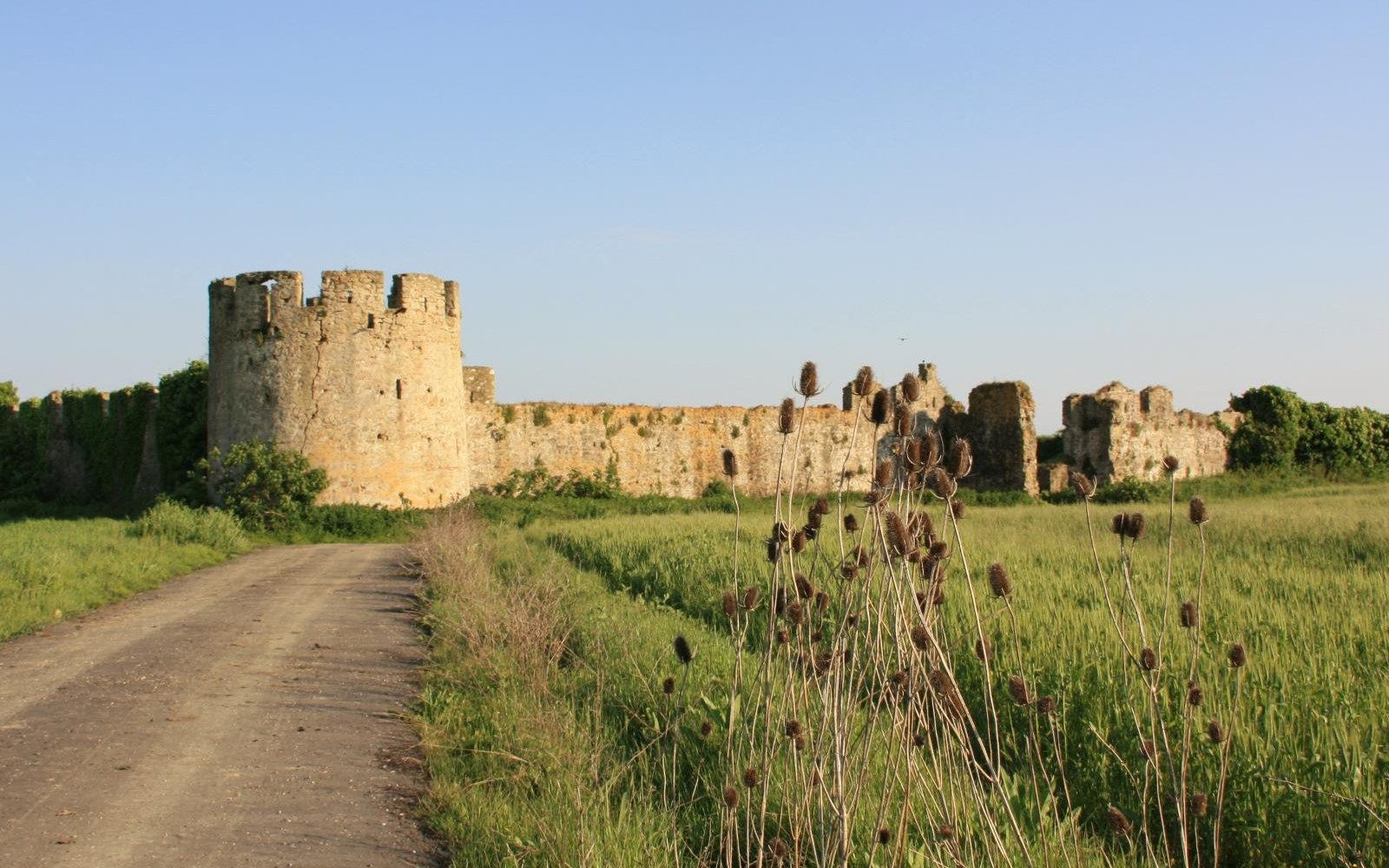
The Ottomans took the fortress after a prolonged siege and modified it again: a mosque was added within the walls, towers were reinforced in the Ottoman manner with rubble fill, and the outer enceinte — the enclosing outer wall — was extended to cover more of the ridge. What survives is the accumulation of all three campaigns rather than any single period's design: Illyrian stonework appears in the lower courses, Venetian ashlar in the gate zones, and Ottoman masonry above.
The castle takes its name from a figure in an Albanian foundation legend, a woman said to have been walled into the ramparts so that they would hold. The story attaches to many Balkan fortresses; at Rozafa it has been particularly tenacious.
- Early Iron Agefirst documented settlement on the rock
- Third century BCELabeatan Illyrian fortified centre
- 1396Venetian acquisition of the castle
- 1479Ottoman capture after siege
- Ottoman periodmosque added, towers reinforced, outer enceinte extended
- Enceinte
- the enclosing outer wall of a fortified complex
- Ashlar
- dressed, squared stone laid in regular courses, characteristic of Venetian military construction