What a road does to a town
Where the Via Egnatia passed, towns grew; where it stopped passing, they shrank. The road made them, and its abandonment did the same.
- Entry
- C.3
- Where
- Elbasan and the line east
- Period
- Roman to Ottoman
- Section
- The Via Egnatia
01The logic of road-fed settlement
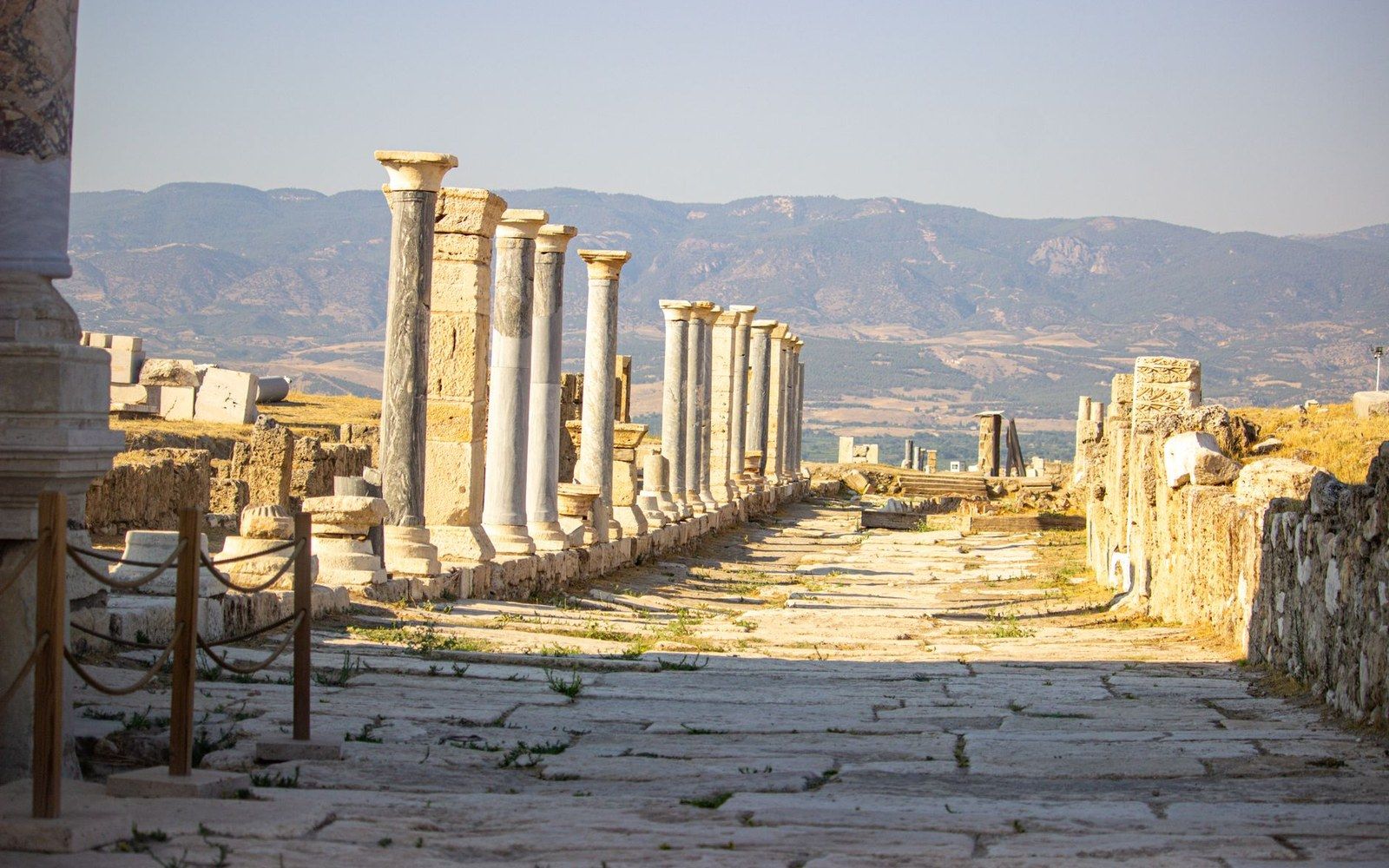
A Roman road did not merely connect places that already existed. It created conditions for places to form: stopping points, supply depots, river crossings where tolls could be collected and ferries maintained. The Via Egnatia, running from the Adriatic coast at Durrës east toward Thessaloniki and eventually Byzantium, gathered settlements to itself the way a drain gathers water. The spacing was roughly a day's march, which is why the intermediate stations appear where they do — not chosen for beauty or defensibility but for interval.
Some of those stations became towns. Durrës itself, the road's western terminus, was already an ancient Greek colony of consequence, but the road transformed its hinterland: every hamlet within a day's reach reorganised itself toward the main line. Goods moved, soldiers moved, administrators moved, and wherever they paused, buildings followed — inns, granaries, stabling, and eventually the more permanent fabric of civic life.
- Via Egnatia constructedmid-second century BC, Roman consular period
- Road at peak functionfirst through fourth centuries AD
- Byzantine contractiongradual, roughly sixth to eleventh centuries
- Ottoman reorganisation of Balkan routesfifteenth century onward; new axes supersede Egnatia alignment in many sections
02When the traffic stopped
The more instructive case is what happened when the road's authority faded. The stations and distances that once fixed settlement patterns became irrelevant when the Egnatia ceased to function as a continuous maintained route — roughly as centralised Byzantine administration contracted and the Balkans fragmented into competing territories through the medieval centuries. Way stations that had survived on passing trade found themselves with no passing trade to survive on.
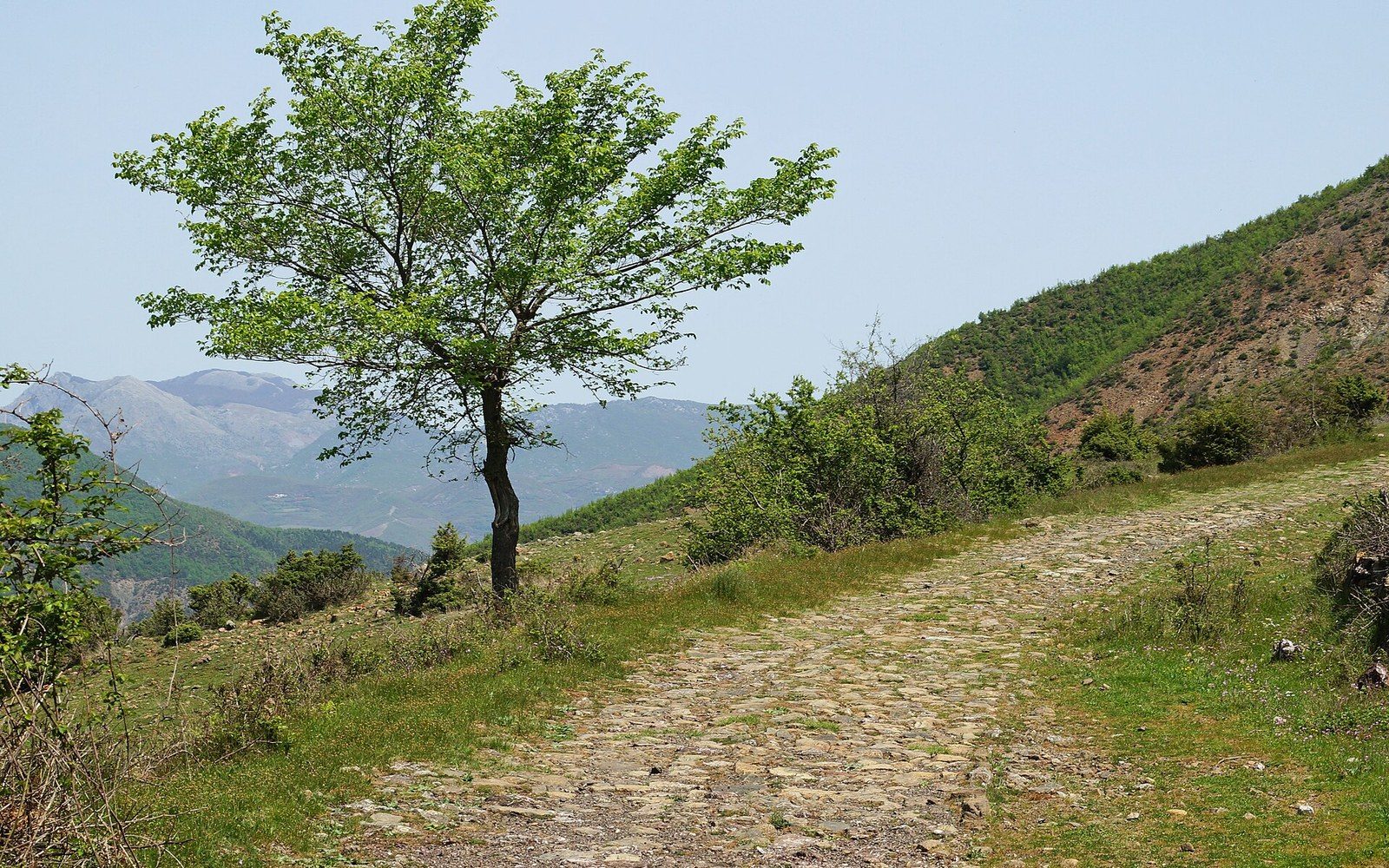
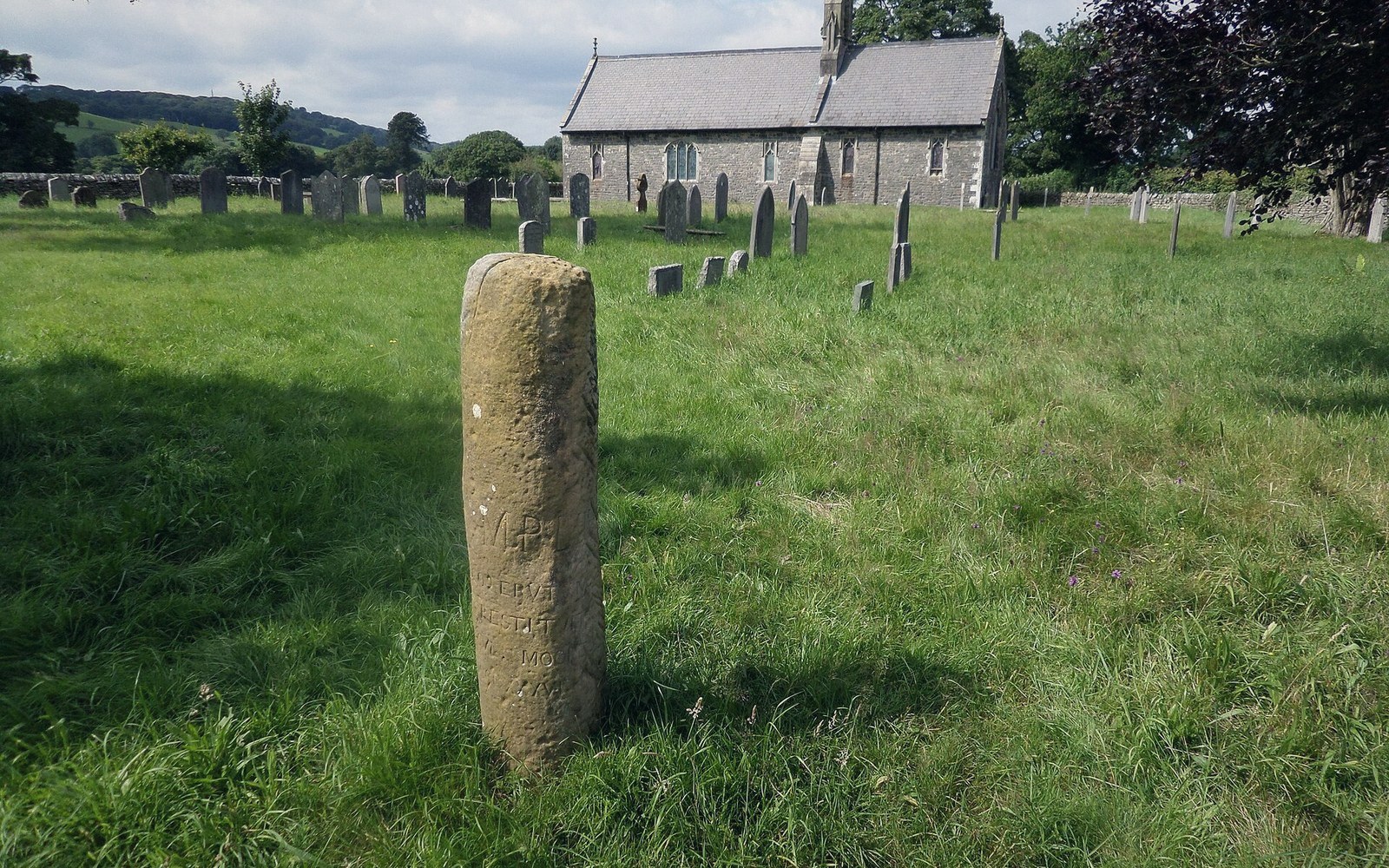
What followed was not always simple desertion. Some stations were absorbed by the Ottoman system, which reorganised movement along different axes, replacing Egnatia-logic with new routes linking inland market towns — places like Gjirokastër and Berat — to each other and to Istanbul. Where Ottoman traffic passed, settlement held or grew; where it did not, the old road-town dwindled to a village or a scatter of dressed stone in a field. Farmers quarried the Roman surface for walls, and the milestones disappeared into house corners.
A few towns preserved their positions not because the road still functioned but because geography had always been the underlying reason the road passed there — a river ford, a mountain gap, a natural harbour. Those places survived the Egnatia's decline because the road had, correctly, identified them in the first place. The rest, which owed their existence to administrative decision and military logistics rather than to terrain, had no second argument for their own existence. They are the negative proof: the road's logic, made visible in stone that is no longer there.